
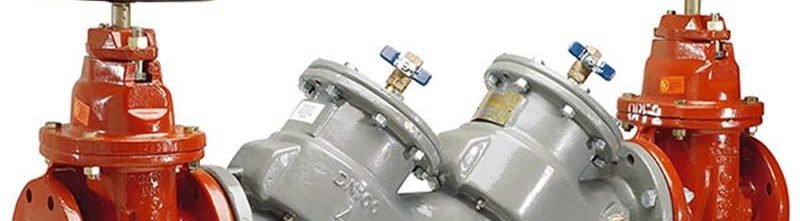
Backflow Testing
What is Backflow?
Backflow describes the undesirable flow reversal within a building’s internal plumbing system. This reversal allows non-potable water and other contaminants to be drawn into the building’s clean potable water supply. For large institutional and residential facilities, the primary concern is the migration of hazardous fluids, such as chemically treated water from fire lines or water exposed to chemicals through irrigation. The backflow prevention assembly works as a barrier to isolate these sources from the clean drinking water.
When Does Backflow Happen?
Backflow events are caused by pressure differences that prevent the normal directional flow within the building’s system. These events can be caused by:
- Backsiphonage. This occurs when a vacuum-reduced pressure forms in the supply system serving the building, causing a suction effect that draws contaminated fluids backward out of a localized system and into the main potable supply piping.
- Backpressure. This happens when the pressure generated by equipment or systems within the building (pumps, boilers, or elevated tanks) exceeds the pressure of the incoming supply, forcibly pushing internal, non-potable fluids back into the building’s potable water.
Why Annual Backflow Testing is Necessary
Regular inspection and testing are required to ensure occupant safety by confirming the backflow assembly is reliable. This test is the best method we have to confirm the device is working properly and capable of preventing contamination. B-Lann Equipment’s service ensures:
- Facility liability and safety. We help safeguard the health of everyone in the building by making sure the safety barrier holds. Backflow preventers also stop contaminated water from going back into the municipal drinking water system.
- Code compliance. We assist facility managers in meeting compliance deadlines set by regulators and confirm adherence to specific NFPA 25 standards for fire protection systems.
- Preventative maintenance. Routine testing allows us to spot wear or component failures, which reduces the chance of emergency breakdowns and prevents unscheduled interruption to your water service.
Applications Requiring Backflow Service
Any large property with internal systems classified as high cross-connection hazard must have an assembly installed and certified annually. This service is important within the following sectors:
- Healthcare facilities. Testing assemblies on boiler feed lines, lab connections, and fire service risers.
- Schools. Ensuring protection on science labs, irrigation systems, and fire sprinkler lines.
- Residential buildings. Certifying assemblies on the main fire service line, boiler lines, and large common area irrigation systems.
The Certified Backflow Testing Procedure
B-Lann Equipment’s comprehensive testing service is performed by certified technicians using calibrated test equipment. The procedure focuses on the diagnostic testing of fire system assemblies within the facility, the main water line, and even a landscaping sprinkler system.
- Isolation and assessment. Our technician locates the assembly, performs a visual inspection, and isolates the device using the appropriate shut-off valves.
- Diagnostic measurement. We connect a differential pressure gauge to the device’s test ports. We then execute a sequence of valve manipulations to measure the pressure difference across the internal check valves and relief valve. This technical procedure confirms the assembly is operating within the parameters for isolation.
- Certification and reporting. Upon passing, we immediately generate the official Test and Maintenance Report and handle the submission to the relevant regulatory bodies. If the test fails, we offer repair and replacement service to restore compliances quickly. Since backflow detectors are designed to be repaired in place, they don’t need to be removed from service to fix them.
Client Preparation for Backflow Service
Facility managers can ensure a smooth service call by preparing the connections in advance:
- Confirm location. Know the exact location of all testable backflow assemblies.
- Ensure accessibility. Clear all obstructions, debris, and storage to guarantee the technician has clear working space around the device.
- Prepare for interruption. Inform the people in the building that the water supply to the line being tested will be to be briefly interrupted (typically for 15 to 30 minutes) to perform the test.